Scope, contacts, access constraints and critical dates.
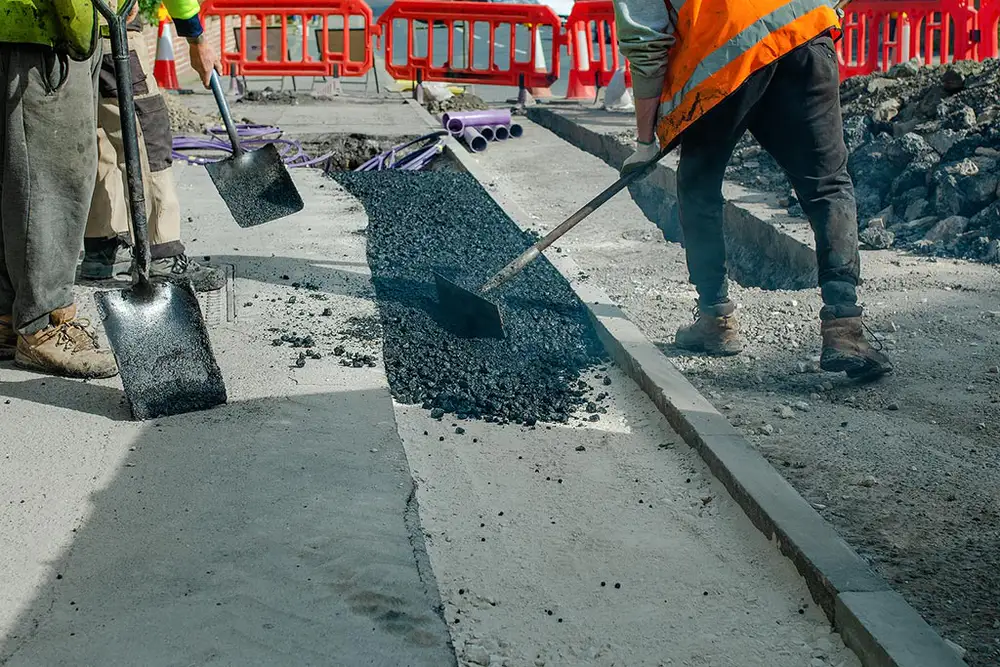
Access • parking • yards • managed sitesCommercial surfacing
Commercial surfacing
planned around operations.
Robust access, parking and yard improvements planned to reduce disruption and stand up to operational use.
SurveyPhaseDeliver
The site must keep working
Construction is only one part of the brief.
Commercial surfacing has to balance loading, access, drainage, phasing and budget. We work with owners, landlords and site managers to understand how vehicles and people use the area, then propose a practical preparation and surfacing specification.
We establish critical access, delivery periods, pedestrian routes, drainage issues and areas of failure before proposing the sequence. The aim is a buildable surfacing plan with disruption understood—not discovered after machinery arrives.
Match construction to use
Operational loading matrix.
The site visit considers how each zone is actually used. A pedestrian approach, car park aisle and turning area do not necessarily need identical treatment.
ZoneTypical pressureDesign focusPossible response
Pedestrian routeFoot traffic / trolleysEvenness and safe drainagePaving, asphalt or concrete
Car parkingRegular static loadsBase condition and bay layoutTarmac with defined kerbs
Access roadRepeated moving trafficEdges, falls and wear courseReconstruction or resurfacing
Service yardTurning / delivery vehiclesLocal loading and drainageHeavy-duty asphalt or concrete zones
Phase around the business
A clear route through the work.
Define safe work zones and temporary routes.
Excavate, drain, prepare and surface in the agreed sequence.
Inspect and reopen completed areas when appropriate.
Complete clean-down, records and aftercare guidance.
Surfacing and preparation together
Repair the cause—not only the visible patch.
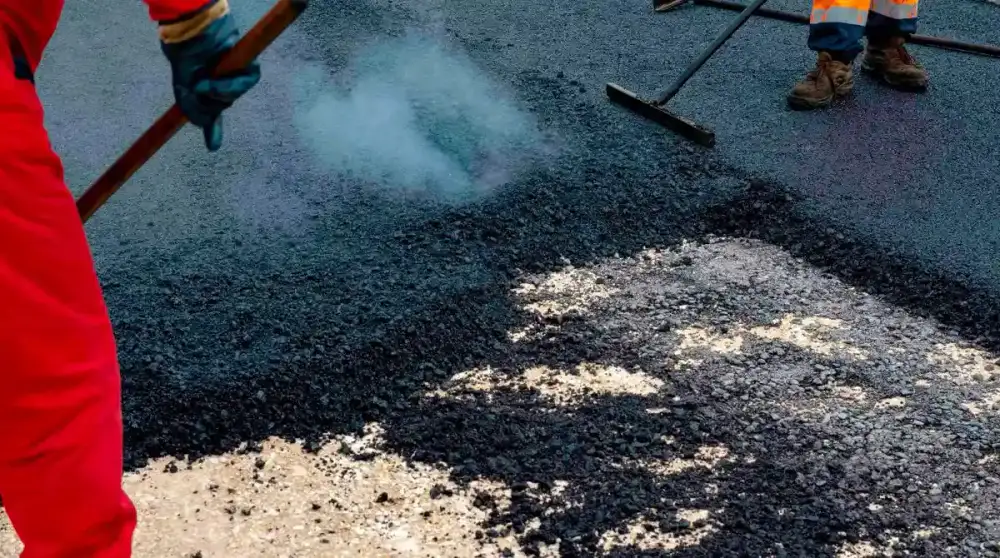
Repeated potholes or settlement can indicate water ingress, weak edges, failed base layers or loading beyond the original construction. Local excavation and reconstruction may give better value than repeatedly covering the symptom.
- Failed areas opened and assessed
- Kerbs and drainage coordinated before surfacing
- Concrete loading zones considered where appropriate
- Final preparation suitable for specialist line marking
Sites we can assess
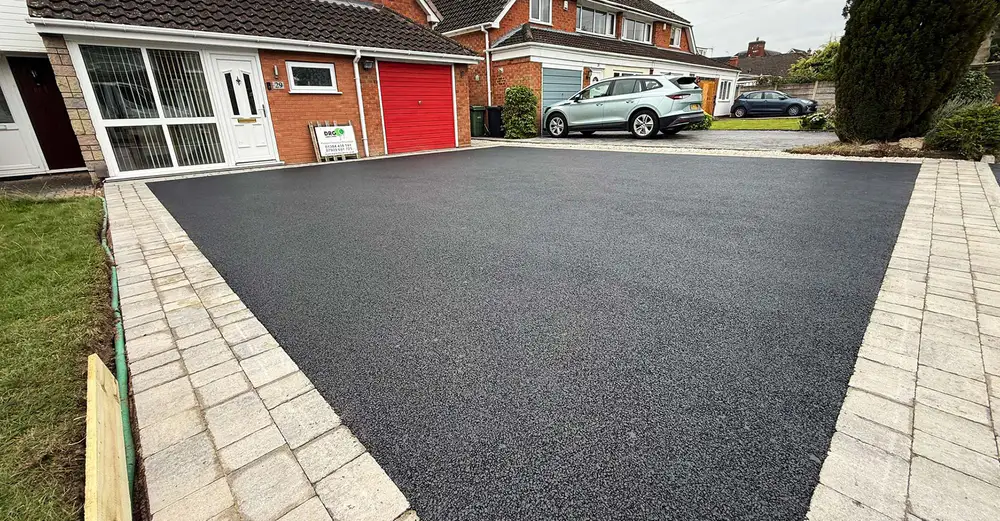
WorkshopsFarmsManaged housingPrivate roadsSmall business premisesParking courts
Straight answers
Commercial Surfacing: frequently asked questions
Is commercial surfacing suitable for my property?+
Suitability depends on access, levels, ground conditions, drainage, intended loading and the finish you want. We assess these points during a site visit before recommending a specification.
What preparation is included for commercial surfacing?+
The quotation can include excavation, spoil removal, sub-base construction, compaction, edge restraints, drainage and the final installation. The exact depth and build-up must reflect the site rather than a one-size-fits-all figure.
Can commercial surfacing be completed in phases?+
Often, yes. Phasing can preserve an agreed access route or release completed areas progressively. The practical sequence depends on connections between phases, plant movement, curing or cooling requirements, drainage and safe separation from staff, tenants or customers.
Do you provide line marking?+
We can prepare new surfacing and coordinate the sequence so specialist markings can follow. The quotation will state whether line marking is included directly, arranged separately or excluded, avoiding assumptions at handover.
How long will the work take?+
Duration depends on area, access, excavation, weather, curing requirements and any drainage or groundwork. We outline the likely sequence when quoting and keep you informed if site conditions affect it.
Can you deal with drainage as part of the job?+
Yes. Falls, channels, gullies, permeable construction and soakaway measures can be considered as part of the overall design, subject to site conditions and suitable discharge arrangements.
Do you provide free quotations?+
Yes. Contact us with your postcode, approximate dimensions and a few photographs if available. We can then arrange a site visit where appropriate.
Free site visit & quotation
Tell us about your project.
Send your postcode and a short outline. B&H will contact you to discuss the site, suitable options and the next available visit.