Surface • storm • foul drainageWhere will
Where will
the water go?
Practical surface-water, storm and foul-drainage work integrated with driveways, yards and wider groundwork schemes.
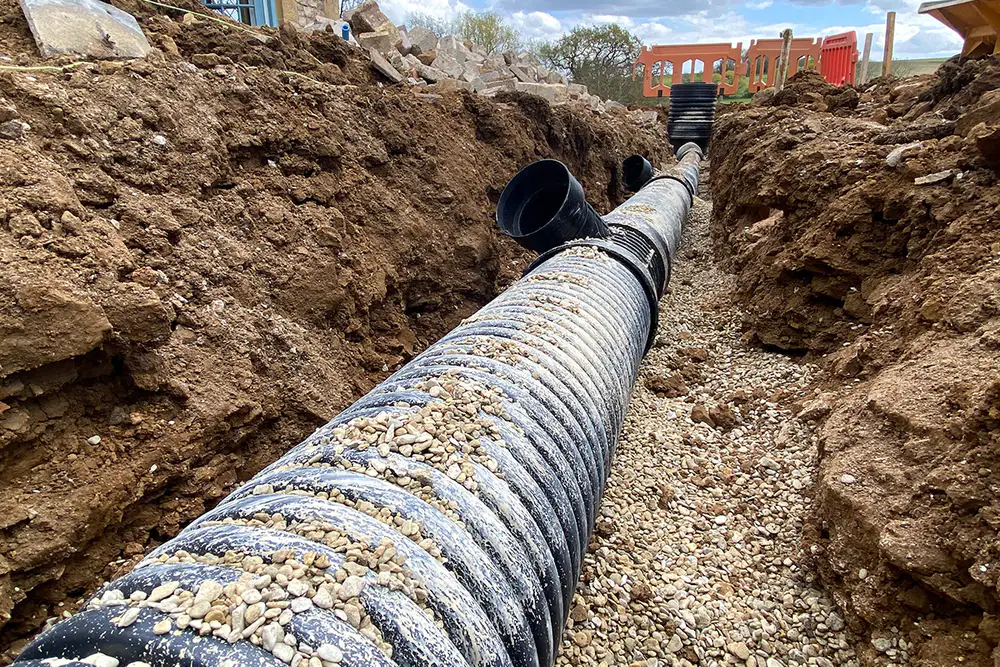
Collect→Convey→Discharge
The visible symptom may not be the whole problem
Five signs worth investigating.
Diagnose before digging
Levels, condition, capacity and destination.
Standing water, damaged pipework, runoff towards a building and overloaded channels can all indicate a wider levels, condition or capacity problem. Depending on the project, our drainage groundworks can cover surface-water collection, storm lines, foul or sewer pipe runs, manholes and connections. The correct route and discharge must be established before excavation, with approvals or specialist surveys arranged where required.
The right response may involve correcting surface falls, improving collection, repairing or replacing pipework, adding access points, introducing infiltration or coordinating several measures. Public sewer connections, watercourse discharge and certain works may require consent or specialist input.
Different water. Different responsibilities.
Understand the system.
Driveway & patio drainage
Falls, channels, gullies, permeable construction and threshold details manage rainfall where it lands.
- Linear channels
- Trapped gullies
- Regrading
- Permeable build-ups
Rainwater below ground
Pipework conveys collected rainwater towards an agreed soakaway, sewer or other lawful destination.
- Storm-water runs
- Soakaways
- Inspection chambers
- Land drainage
Wastewater & sewer work
Foul drainage requires correct gradients, connections, access and separation from surface-water systems.
- External foul pipework
- Manholes
- Repairs and replacement
- Approved connections
Below-ground discipline
A pipe is only as useful as its line and bedding.
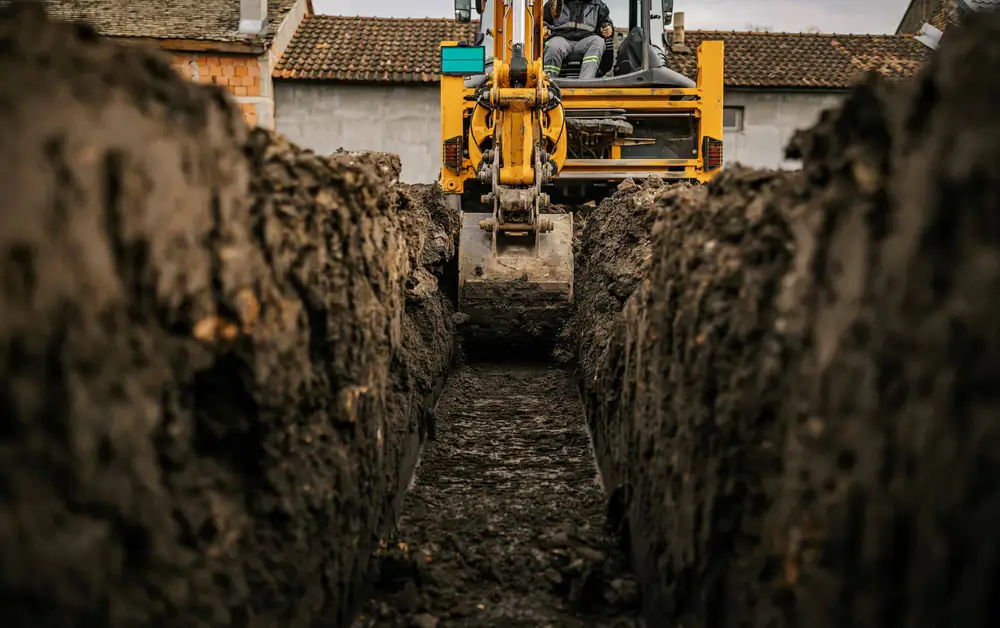
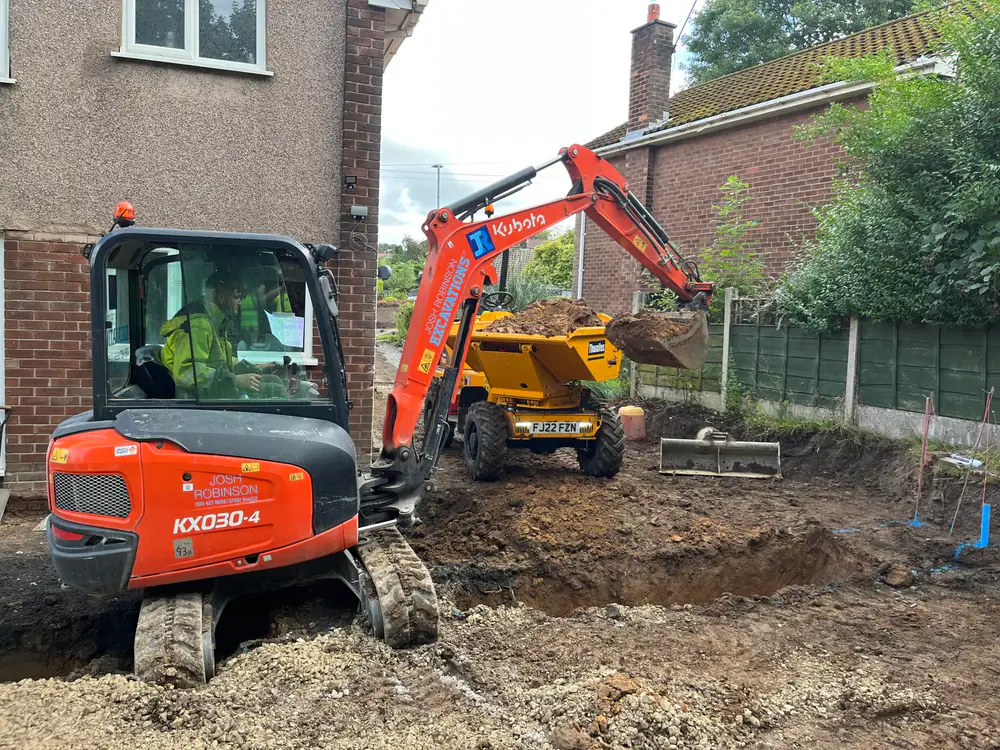
Trenches need suitable width, safe working conditions and a formation that supports the proposed pipe. Bedding, line, gradient, joints and backfill are completed with care. Inspection access must remain practical after landscaping or surfacing is finished.
- Routes coordinated with structures and other services
- Gradients established before backfilling
- Access points positioned for future maintenance
- Surface finish reinstated as part of the wider scheme
Important
Drainage solutions are site-specific. Ground permeability, existing systems, legal discharge routes and permissions must be confirmed where relevant. We will explain when surveys, approvals or specialist design are needed.
Straight answers
Drainage, Storm & Sewer: frequently asked questions
What types of drainage groundworks can you undertake?+
Our work can include surface-water channels and gullies, storm-water pipework, soakaways, land drains, foul or sewer pipe excavation, inspection chambers and manhole work. The final scope depends on surveys, access, discharge routes and any approvals required.
Can you connect new drainage to the public sewer?+
A connection may require approval from the relevant sewerage undertaker and an agreed connection point. We can undertake suitable excavation and pipework as part of the groundwork package, but the route, permissions and any specialist design must be confirmed before work starts.
What is the difference between a soakaway and a surface-water drain?+
A soakaway is designed to disperse suitable surface water into permeable ground within the property. A surface-water drain conveys rainfall to an agreed outlet. Ground conditions, building proximity, available space, capacity and permissions determine which approaches are viable.
Can driveway water be connected to a foul sewer?+
Surface water should not be connected to a foul system without explicit confirmation that the arrangement is lawful and approved. Existing drainage must be identified correctly, and any proposed sewer connection may require consent from the relevant undertaker.
How long will the work take?+
Duration depends on area, access, excavation, weather, curing requirements and any drainage or groundwork. We outline the likely sequence when quoting and keep you informed if site conditions affect it.
Can you deal with drainage as part of the job?+
Yes. Falls, channels, gullies, permeable construction and soakaway measures can be considered as part of the overall design, subject to site conditions and suitable discharge arrangements.
Do you provide free quotations?+
Yes. Contact us with your postcode, approximate dimensions and a few photographs if available. We can then arrange a site visit where appropriate.
Free site visit & quotation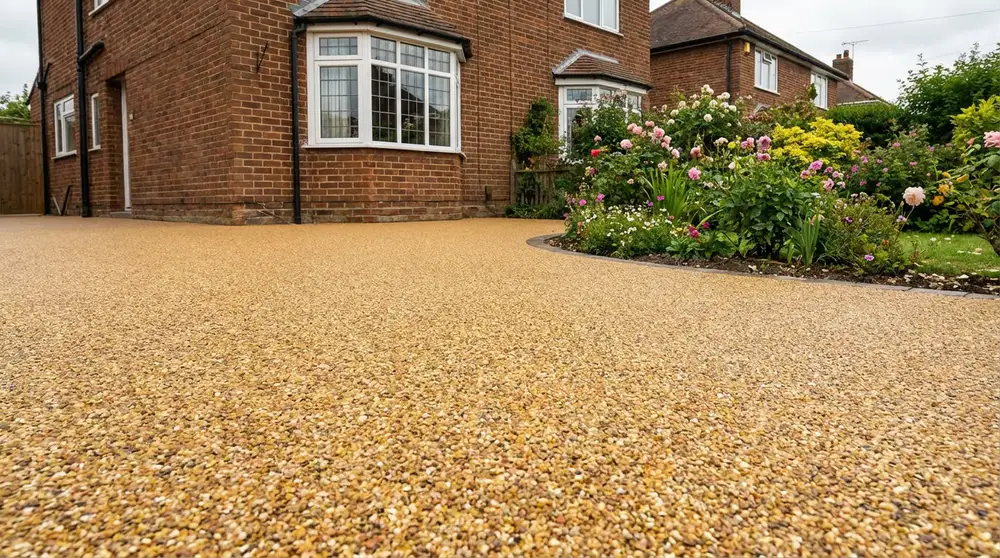
Tell us about your project.
Send your postcode and a short outline. B&H will contact you to discuss the site, suitable options and the next available visit.